Minkah Fitzpatrick Trade Grades: Who Won The Jets-Dolphins Deal?
The NFL offseason is often a chess match of trades, free agency, and draft picks, but few moves ignite fan debate quite like a high-profile player changing teams. Such was the case with the recent trade sending star safety Minkah Fitzpatrick from the Miami Dolphins to the New York Jets. This move, while seemingly straightforward, carries layers of strategic thinking for both AFC East franchises. To truly understand
who is Minkah Fitzpatrick and the impact of this transaction, we must dissect the motivations, costs, and potential outcomes for both the Jets and the Dolphins. The burning question on everyone's mind: who truly walked away as the winner in this intriguing deal?
The Jets' Strategic Acquisition: A Defensive Anchor Returns Home
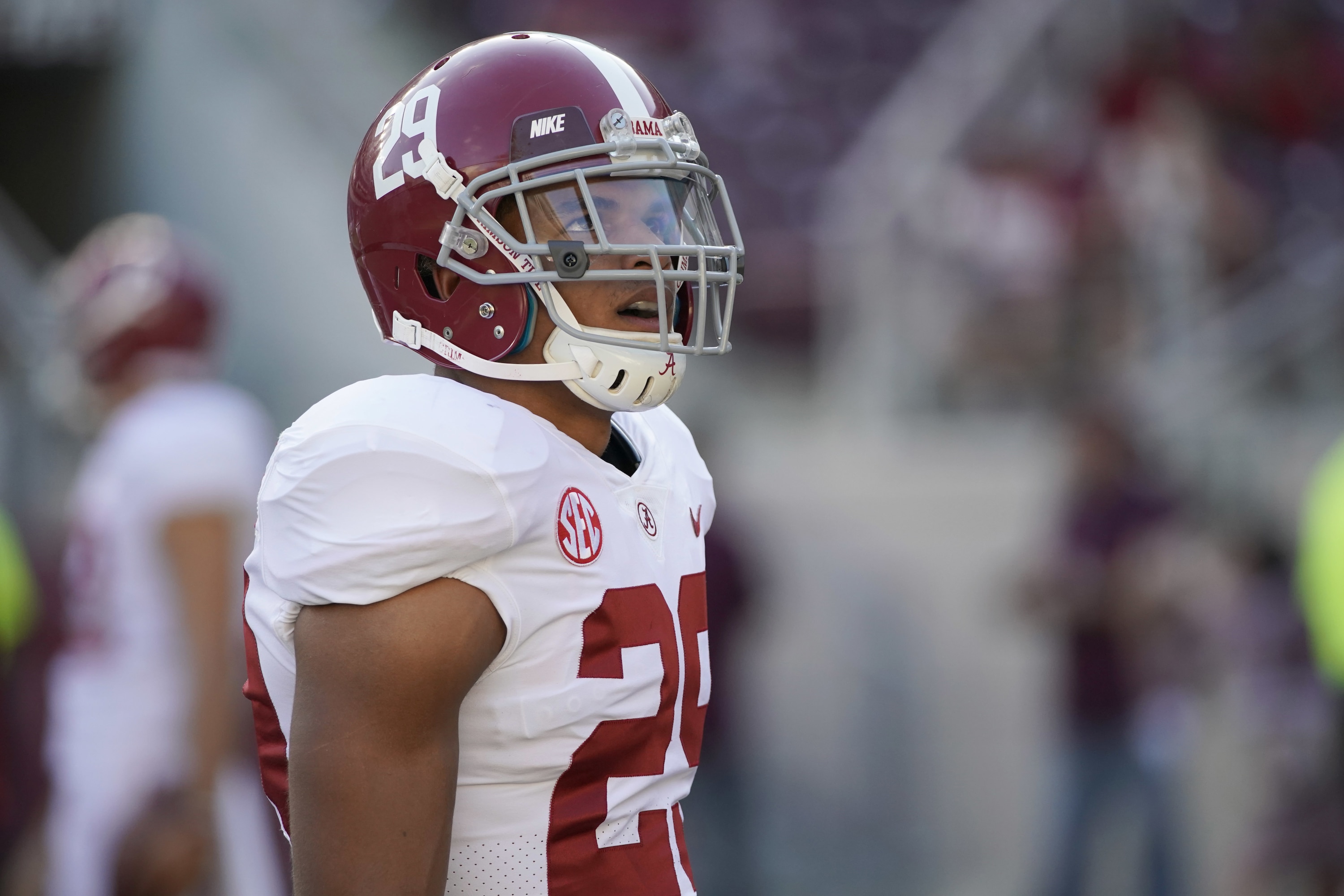
For the New York Jets, acquiring Minkah Fitzpatrick wasn't just about adding a talented player; it was about bringing home a defensive cornerstone and reuniting him with a familiar face. Fitzpatrick, a 29-year-old native of Old Bridge, New Jersey, cultivated his early stardom at St. Peter's Preparatory School in Jersey City before heading to the University of Alabama, where he excelled under legendary coach Nick Saban. After an impressive collegiate career, he was drafted 11th overall by the Miami Dolphins in 2018, later spending time with the Steelers, where he blossomed into one of the league's premier safeties. His resume speaks volumes: five Pro Bowl selections, three-time All-Pro honors, and a league-leading six interceptions in 2022.
The Jets' commitment to Fitzpatrick goes beyond the trade, as they immediately signed him to a three-year, $40 million extension running through the 2029 season. This significant investment highlights their belief in his sustained elite performance and leadership capabilities. While the average annual value makes him one of the higher-paid safeties, his impact is expected to be immediate and profound. One critical factor in this acquisition is the reunion with new defensive coordinator Brian Duker, who coached Fitzpatrick last season as the Dolphins' secondary coach. This existing relationship promises a seamless integration into the Jets' defensive scheme, allowing Fitzpatrick to leverage his versatility and high football IQ from day one. For more details on his signing, read
Jets Land Star Safety Minkah Fitzpatrick: $40M Extension. The Jets are clearly in a "win-now" window, and adding a player of Fitzpatrick's caliber is a "cheat code" for a defensive coordinator looking to revive a "defensive genius" reputation, offering an instant boost to an already strong unit.
The Dolphins' Rebuild Blueprint: A Calculated Cap Space Move
On the other side of the trade, the Miami Dolphins made a move that, at first glance, appears to be a concession: sending a three-time All-Pro for a mere seventh-round draft pick in 2026. This decision, however, must be viewed within the broader context of Miami's challenging offseason and clear pivot towards a full-scale rebuild. The Dolphins finished last season with a disappointing 7-10 record, missing the playoffs for the second consecutive year and leading to the ousting of head coach Mike MacDonald. This organizational reset also saw the anticipated release of longtime starting quarterback Tua Tagovailoa, signaling a complete overhaul of the roster and financial structure.
Trading Fitzpatrick saves the Dolphins approximately $5.8 million in cap space for the upcoming season, a welcome relief for a team grappling with significant financial commitments. However, this saving comes with a nearly $13 million dead cap hit, which, when combined with the colossal $99 million in dead money from Tagovailoa's departure across 2026 and 2027, paints a picture of substantial short-term financial pain for long-term flexibility. Miami's decision to move Fitzpatrick now, rather than letting him walk in free agency for a potential fourth-round compensatory pick in 2028, also tips their hand regarding future spending plans. It suggests an aggressive approach to accumulating draft capital and clearing the books, prioritizing immediate cap relief and flexibility to build through the draft over extracting maximum value for an outgoing star. While some might argue they could have garnered more at the trade deadline, this move signals an urgent need for cap space and a commitment to a multi-year rebuilding process.
Grading the Trade: Who Gained the Upper Hand?
Assessing who "won" this trade requires evaluating both immediate impact and long-term strategic vision.
For the New York Jets: A-
The Jets secure an elite safety who brings leadership, versatility, and proven playmaking ability.
Who is Minkah Fitzpatrick at this stage of his career? He's a consistent Pro Bowler entering his age 30 season, but his performance remains high, with his missed tackle rate still under 10% — a significant mark for a safety. The cost of a seventh-round pick is negligible for a player of his caliber. The primary risk lies in the three-year, $40 million extension, particularly if there are significant guarantees in the later years that could impact future cap flexibility if his play declines. However, given their "win-now" mentality and the immediate upgrade he provides to their defense, this is a strong move that addresses a clear need and brings a local hero back into the fold. He instantly elevates their secondary and provides a crucial veteran presence.
For the Miami Dolphins: C-
The Dolphins receive a meager seventh-round pick and incur significant dead cap money, which feels like a tough pill to swallow for a player of Fitzpatrick's stature. While the cap savings are real, the opportunity cost — potentially gaining a higher pick at the trade deadline or a compensatory pick later — is notable. This trade is less about winning and more about damage control and strategic repositioning. It undeniably accelerates their commitment to a full rebuild, prioritizing financial flexibility and a fresh start over squeezing every last ounce of value from a veteran asset. It's a move born of necessity rather than a desire to "win" a trade. They've effectively exchanged a proven leader and playmaker for a small amount of cap space and a distant, low-value draft pick, indicating a tough road ahead but a clear, albeit painful, direction. To delve deeper into Minkah's journey from New Jersey talent to NFL star, see
Minkah Fitzpatrick: From Jersey Star to Jets' New Defensive Ace.
In conclusion, the New York Jets unequivocally emerged from this deal with the immediate upper hand. They acquired a five-time Pro Bowl safety who is a proven game-changer, addressing a critical need with minimal draft capital and an extension that, while substantial, is justifiable for a player of his impact. The Dolphins, conversely, made a painful but strategically logical move to accelerate their rebuild, clearing cap space and fully embracing a long-term vision. While the compensation received was underwhelming, this trade signals Miami's complete commitment to resetting their franchise. Ultimately, the Jets gained a star player who can contribute immediately, while the Dolphins absorbed a short-term hit for potential long-term gain, making the Jets the clear winners in the immediate aftermath of this intriguing AFC East trade.